







Search Results for: milk for coffee shops
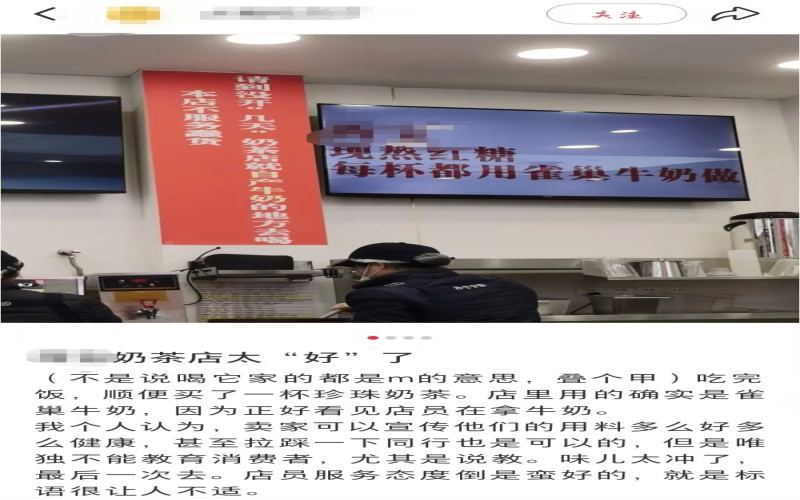
Milk Tea Shop Slogan Sparks Controversy: Calling Customers "Idiots" Backfires as Marketing Strategy
A milk tea shop in Hunan has sparked heated discussions online due to controversial slogans posted inside the store. The slogan, in white text on a red background, reads "This shop does not serve idiots," and suggests customers go to milk tea shops that haven't been open for "a few days" to drink self-produced milk. This way of expressing things not only left many netizens confused, but was also seen as "taking passive-aggressive jabs at peers and insulting consumers." It is worth noting that this shop previously imitated Mixue Bingcheng, recently shifted to the pearl milk tea track, and its promotional slogan has also been accused of being similar to Baozhu Gong. Is this kind of marketing strategy clever, or is it shooting itself in the foot? Let's take a closer look. [more…]
Why Is Single-Origin Fresh Milk Taking Over Specialty Coffee Shops? A Guide to Choosing Milk for Latte Art
In recent years, specialty coffee shops have become increasingly particular about their choice of milk, and single-origin, traceable fresh milk is becoming a new favorite. Compared with ordinary blended-origin milk, this type of milk source not only allows the farm information to be traced, but also has a brighter and richer taste. From Australia to China, more and more coffee shops are beginning to try smallholder milk, goat milk, and even camel milk, bringing unique flavors to milk coffee. After milk is heated, the lactose is activated, the milk fat adds a rich and mellow feel, and the milk foam gains abundant layers, which is why espresso milk drinks such as lattes, cappuccinos, and flat whites each have their own characteristics. This article will guide you through why single-origin milk is so popular, what milk to choose for coffee latte art, and include a review of Front Street Coffee's milk testing. [more…]
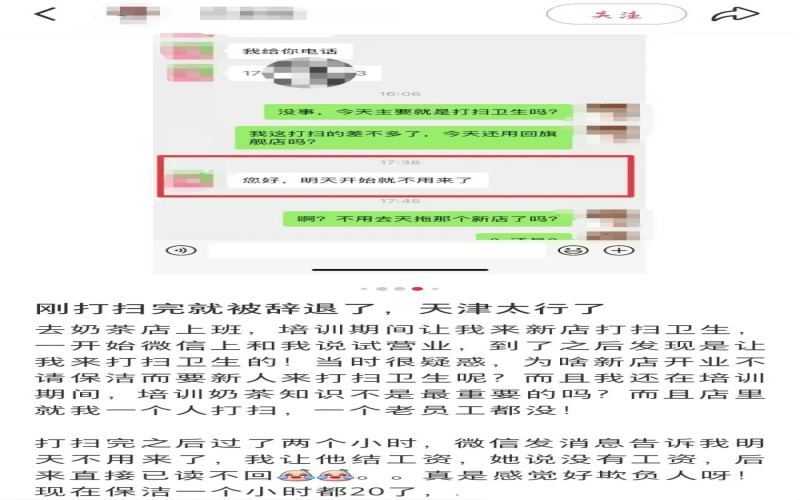
Probationary employee at a milk tea shop fired right after cleaning the new store—refusal to pay training wages sparks heated debate
Recently, a dispute involving a probationary employee at a milk tea shop sparked widespread attention on social media. The poster said they found a job at a milk tea shop through a recruitment platform, and during the trial period was assigned to clean a new store that had not yet opened. After finishing the cleaning, they were told not to come back, and the shop refused to pay the promised training-period wages. After the incident was exposed, many netizens spoke up for the worker and spontaneously left a large number of negative reviews for the shop on third-party platforms. Under public pressure, the shop eventually paid the training-period wages. This kind of phenomenon, in which probationary employees are used as free labor, is not uncommon across industries and deserves job seekers' vigilance. [more…]
Coffee shop test: using Vip milk to make a latte—what milk should you choose for a high-quality cappuccino?
When making a cappuccino, most people focus only on the espresso extraction while overlooking the decisive influence of milk on flavor. The Nestlé, Bayi, Mengniu, Yili and similar brands commonly used in domestic coffee shops are actually all modified milks, with a thin, bland taste and insufficient milk aroma, which tend to feel disconnected when paired with espresso. WBC competitors often bring their own milk to improve quality. Front Street Coffee noticed that the Vip pure milk produced by Asahi Green Source has a shelf life of only half a month and is a truly unadjusted pure milk. Through actual testing, this article uses Vip milk to make a cappuccino, comparing its performance with other milks in terms of milk foam texture, sweetness, and integration with coffee, and offers advice on whether it is worth switching for shop owners, while also covering practical information such as cost and purchasing channels. [more…]
Floral Milk Tea Takes the New Tea Beverage Sector by Storm: Category Innovation and a Rational Return Driven by the Aesthetics Economy
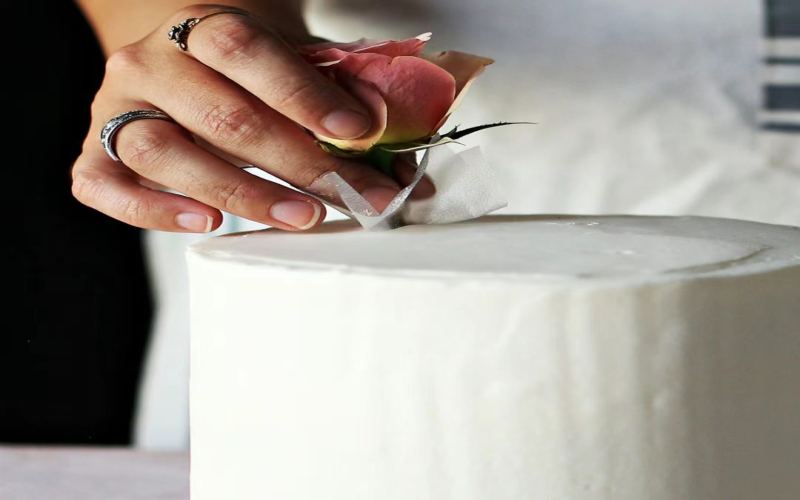
When fresh flowers meet milk tea, what kind of sparks will fly? A tea beverage shop in Shanghai called Xue Xiaomei MICHA has given the answer—monthly revenue peaking at over 700,000 yuan, with more than 1,200 cups sold in a single day at its highest. The fresh flower tea beverage series has drawn attention with prices ranging from 40 to 129 yuan. Behind this is not only the drive of the "appearance economy," but also the business logic of a hybrid operation combining a flower shop and a tea beverage shop. From Shanghai to Wuhan, Guangzhou, and Xi'an, this kind of combined store is spreading across the country. However, the safety boundary between fresh flowers and beverages, and the difficulty of repeat purchases after consumers' novelty wears off, are also realities that this category must face head-on. This article will take you through a comprehensive understanding of the popularity code and industry concerns behind fresh flower milk tea. [more…]
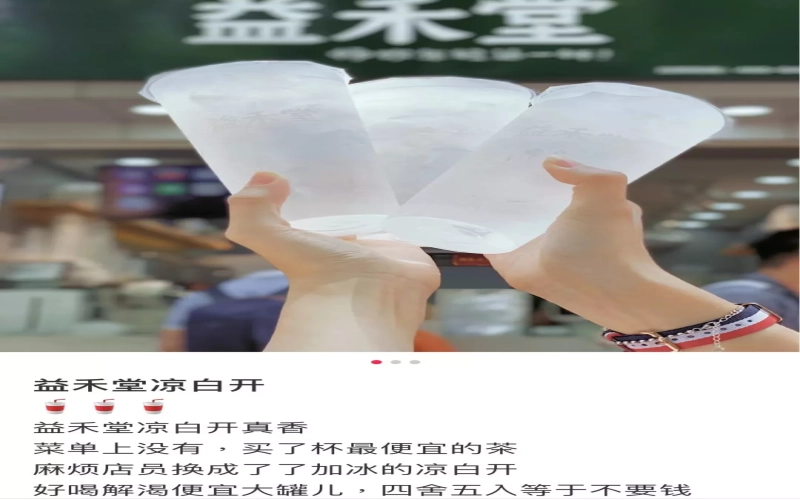
Why has ice water become the new social media favorite? Analyzing the popularity logic of free cold boiled water in milk tea and coffee shops
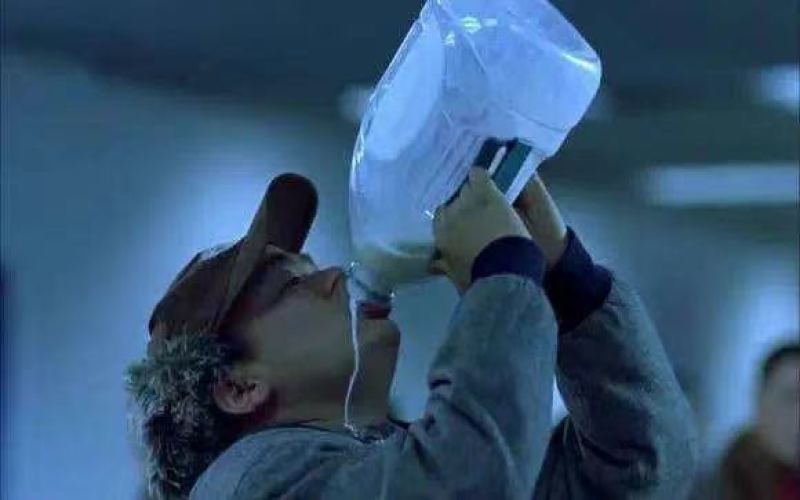
Recently, a kind of cold boiled water different from the traditional sense has quietly become popular on social platforms—it comes from the hands of milk tea or coffee shop employees, is processed through a filtration system, is not boiled, and is poured into a transparent PE cup filled with ice cubes and sealed. Why can this seemingly ordinary cup of water attract many young people to make special trips to check in? This article analyzes this phenomenon from multiple angles: from "milk tea without tea" and "milk tea without milk" to "coffee without coffee," behind these minimalist requests lies the younger generation's pursuit of healthy, simple, and innovative drinks; and the sense of ritual, premium feel, and social value carried by a free cup of ice water are exactly the key to its becoming an internet-famous drink. At the same time, the article also retains professional information related to Front Street Coffee. [more…]
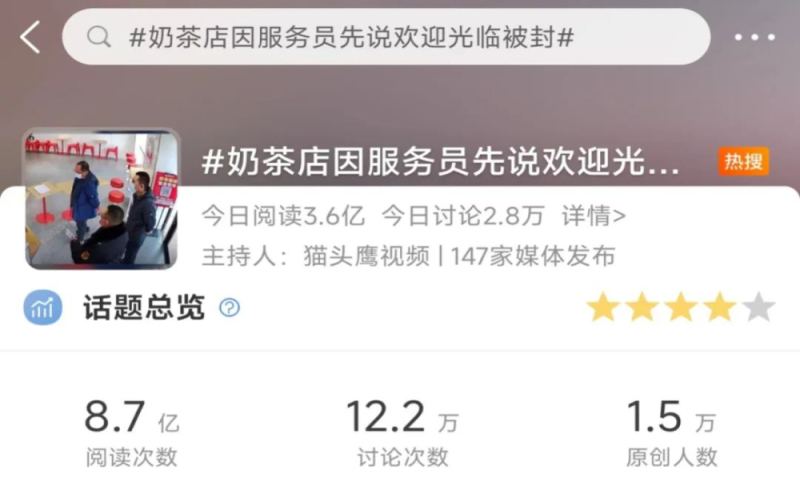
A simple "Welcome" led to the shutdown of a milk tea shop; official notice confirms abuse of power and holds those responsible accountable.
A milk tea shop was sealed and ordered to close on the spot by market supervision officials in under a minute—all because the staff said "Welcome" before asking customers to scan the QR code. The incident sparked widespread attention after it was exposed. An official statement later concluded that the law enforcement officers had abused their power and deliberately made things difficult; those involved have apologized and been disciplined. In this issue of coffee news, while we follow this incident, we also remind coffee professionals to be mindful of the boundaries of law enforcement in epidemic prevention and control, and we continue to bring coffee enthusiasts professional coffee knowledge and Front Street Coffee product recommendations. [more…]
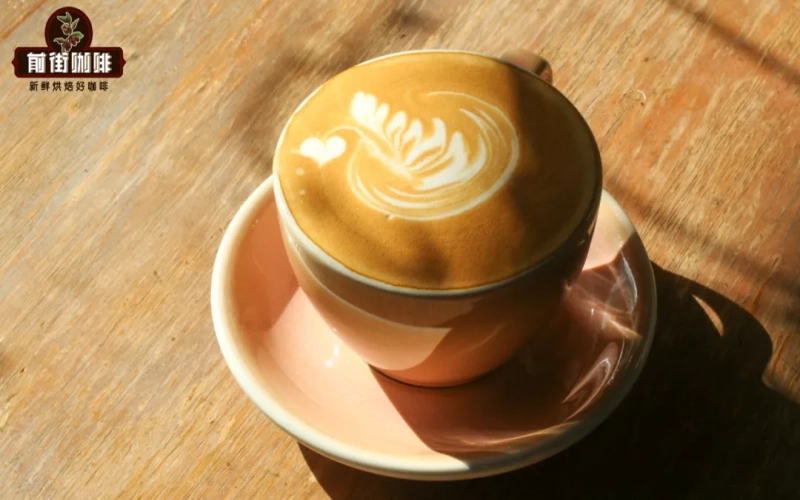
Why Does Matcha Latte Contain No Coffee? Interpreting the Original Meaning of Latte and the Evolution of Latte Coffee
Many people have had the experience of ordering a matcha latte at a coffee shop, only to find that it contains no coffee at all. Why is it called a latte if it doesn't contain coffee? What exactly does the word latte mean? To answer these questions, we need to turn our attention back to the Italian word Latte, tracing the semantic shift of this term from milk to milk coffee, and how it acquired new meanings as Italian-style coffee spread around the world. This article will start with the etymology of Latte, trace the story of how latte coffee was born in the United States, and explain why coffee shops are so eager to use latte to name drinks that contain no coffee, helping you avoid confusion the next time you face a menu. [more…]
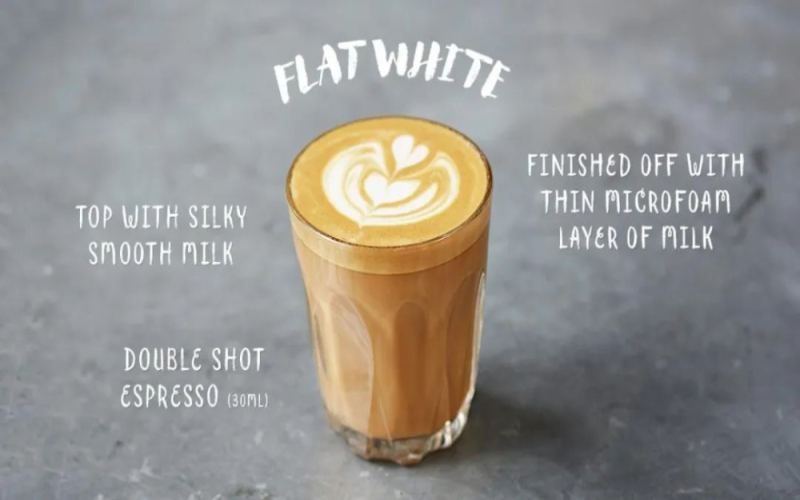
Analysis of the Capacity Difference Between Flat White and Latte: Origins and Key Production Points of Thin Milk Foam Espresso Milk Coffee
Both are espresso with milk, so why is a Flat White always a size smaller than a Latte? Behind this lies the original intent of the Flat White—to make the coffee flavor stand out, with milk playing only a supporting role. From the perspective of Front Street Coffee, this article sorts out the background of the Flat White's popularity in the 1980s, the respective approaches to making it in Australia and New Zealand, compares the specific differences between it and the Latte and Cappuccino in milk foam thickness and milk ratio, and includes the parameters for drinks served at Front Street stores along with purchasing advice for five espresso blends, helping coffee lovers recreate a rich, smooth Flat White at home. [more…]
Must a latte contain coffee? Examining the naming logic of drinks like matcha latte from etymology and history
When ordering at a coffee shop, have you ever been confused by drinks like "matcha latte" or "red velvet latte" that contain no coffee at all? The name says "latte," yet what you get is a pure milk drink. Behind this lies an interesting story about language, history, and the spread of coffee culture. This article starts from two questions that Front Street Coffee is often asked—why do some lattes contain no coffee? And if they contain no coffee, why are they still called lattes?—to trace the evolution of the word "Latte" from its meaning of "milk" in Italian to its current conventional use as shorthand for "milk coffee," and to analyze the logic behind how coffee shops name coffee-free drinks. Whether you are a coffee enthusiast just getting started or a consumer trying to make sense of the menu's mysteries, this article will help you sort things out so you won't be confused the next time you order. [more…]
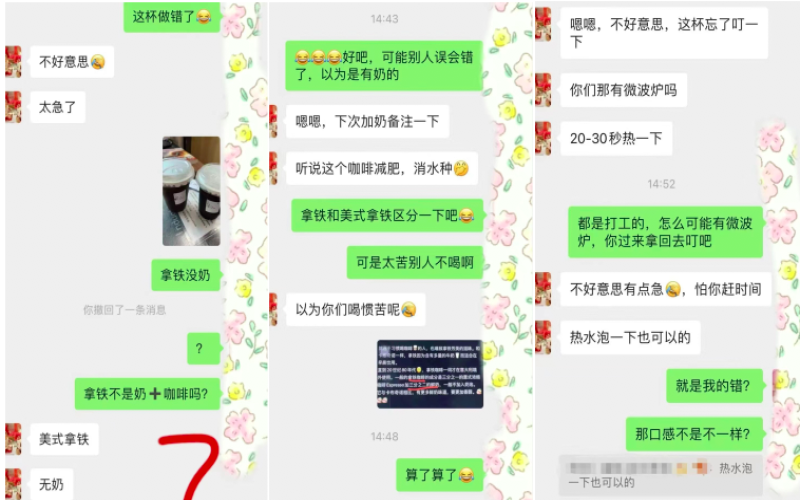
A customer ordered an iced latte but received an iced americano; the shop's claim that "an americano latte has no milk" has sparked doubts about their professionalism.
A customer ordered two iced lattes but received two iced Americanos instead. When the customer complained, the shop actually told them that "an Americano latte has no milk" — an absurd scene that recently sparked heated discussion on social media. Even more laughably, when the shop made the wrong iced matcha latte, they suggested the customer microwave it themselves. This exchange left the customer exclaiming that the shop was "woefully ignorant," and prompted netizens to question: if they cannot even distinguish basic drink categories, how can they run a coffee business well? In today's fiercely competitive coffee industry, where exactly lies the professional threshold for practitioners? This article walks you through the incident and explores the basic qualities a barista should possess. [more…]
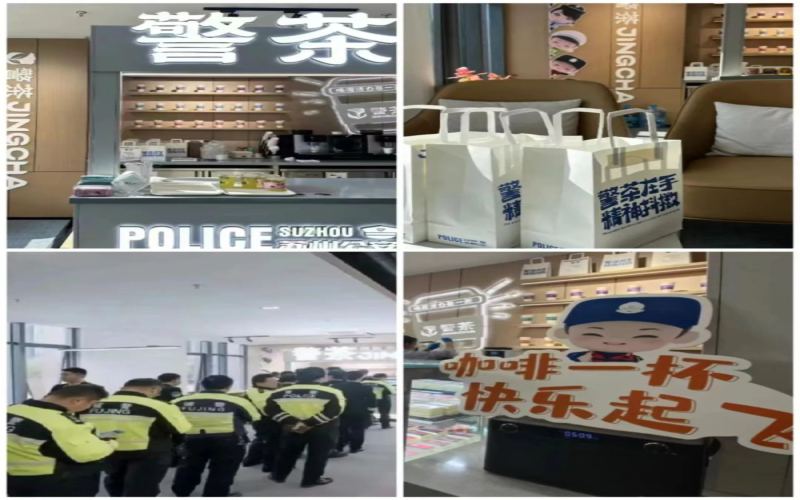
Suzhou police跨界 opening a milk tea shop called "Police Tea" sparks heated discussion; public offices innovating outreach to bring police and public closer
Recently, a milk tea shop called "Police Tea" has drawn attention on social media, not because its products are particularly special, but because it is located inside the Suzhou Public Security Bureau and was launched by the police themselves. As soon as the news broke, netizens joked about wanting to "go to the station for tea," and some even jokingly asked whether starting a fight at the police station entrance would get them inside. The shop not only serves milk tea and coffee, but also cookies, desserts, and cultural merchandise, though it is not yet open to the public. Some people are curious about how to buy from it, while others question whether it is compliant for a government agency to run a business. In fact, this shop is essentially an internal canteen, and ordinary citizens can receive items for free on police open days by taking part in anti-fraud, anti-drug, and other activities. A similar approach by Hangzhou police, who partnered with Chagee to give out "police tea" on Police Day, also received considerable praise. This kind of publicity method that keeps pace with the times not only builds a friendly public image, but also makes the spread of legal knowledge more down-to-earth. [more…]
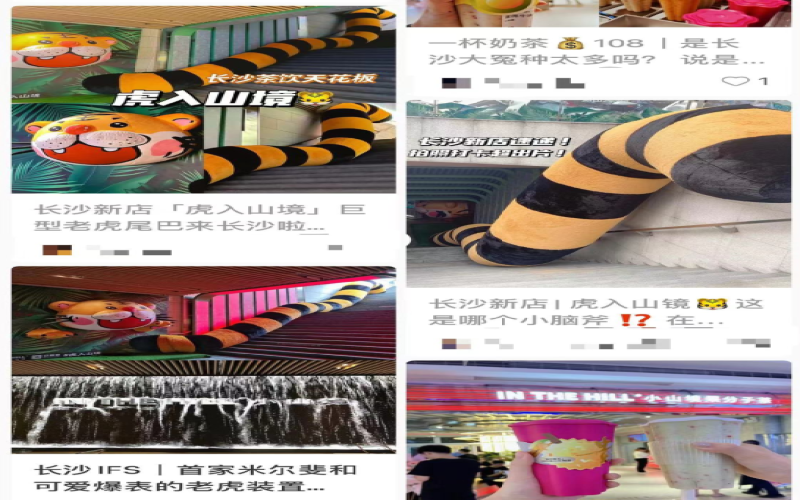
A glass of juice at a milk tea shop in Changsha is priced at 108 yuan—why do high-priced fruit drinks so often spark heated discussion?
Compared to coffee with its pronounced bitterness, sweet-and-sour milk tea is clearly more to the public's taste. Whether on a busy workday or a leisurely weekend, milk tea has long been part of many people's lives. Recently, a newly opened milk tea shop in Changsha, Hunan, suddenly went viral—not because of its unique flavors, but because a single cup of juice was selling for 108 yuan. The shop, named "Xiaoshanjing · Fruit Molecular Tea," drew attention with its giant tiger tail design and high-priced menu. Staff claimed that the durian drink contains half a cup of Musang King pulp, while the mangosteen drink uses 4 jin of mangosteen. Is the high price worth the money, or is it a marketing gimmick? Consumers have differing views, and some are reminded of the earlier incident in Shenzhen involving Yecuishan's thousand-yuan olive juice. [more…]
What exactly is a latte? A complete interpretation from the Italian word Latte to fancy coffee
The term "latte" often confuses people: is it actually coffee? Why can matcha lattes and red velvet lattes contain no coffee at all? In fact, latte is a transliteration of the Italian word Latte, which literally means milk, while Caffè latte refers to milk coffee. This article starts from etymology, historical evolution, and coffee shop naming conventions to trace the birth and rise in popularity of latte coffee from Italy to California in the United States, and explains why coffee-free lattes are still named "latte." Front Street Coffee will also share related knowledge and product information in this article. [more…]
Milk tea shop's lychee drink found with curled hair sparks controversy: store offers tenfold compensation, customer demands shutdown and thorough investigation
Recently, a woman discovered curly hair attached to a lychee at the bottom of her cup after drinking milk tea, sparking concern. The store involved responded that the lychee tea uses a lidded rather than sealed packaging, the source of the hair is currently unclear, and it is willing to pay ten times compensation and accept investigation, but the individual refused compensation and demanded the store be shut down for rectification. Meanwhile, hygiene problems in the tea beverage industry occur frequently: a Nayuki Tea store was exposed for cockroaches crawling everywhere and rotting fruit, and cockroaches appeared on the counter at Yihetang. Food hygiene and safety concern consumer health, and whether a well-known brand or an ordinary store, production processes should be strictly controlled and safety systems implemented. [more…]
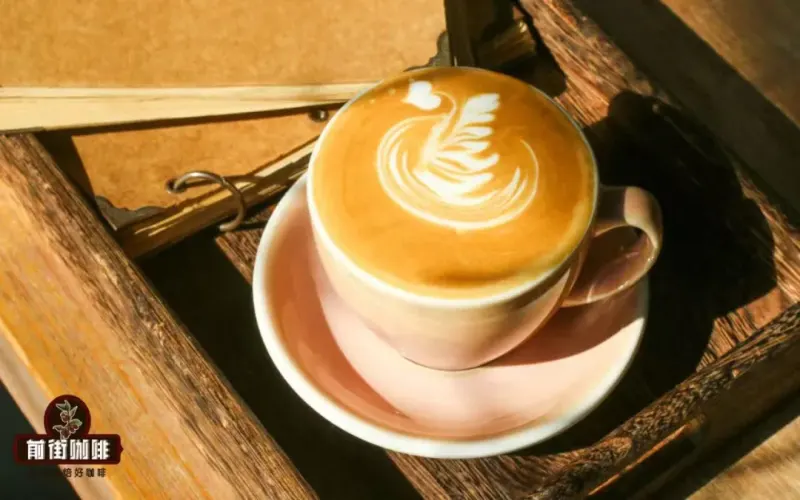
Why does the latte consistently rank at the top of coffee shop sales? A comprehensive analysis from historical origins to the charm of latte art
Walk into any coffee shop, and the best-selling item on the menu is almost always the latte. This drink, made with an espresso base and a generous amount of milk, has somehow won over the taste buds of so many consumers—what's its secret? This article will start with the origins of the latte, analyzing how it became widely popular thanks to more milk and less bitterness, and how, with latte art and its versatile adaptability, it has become a shared favorite of both baristas and customers. At the same time, we'll also introduce two espresso blend beans that Front Street Coffee has prepared for latte lovers, helping you recreate coffee-shop-quality results at home. [more…]
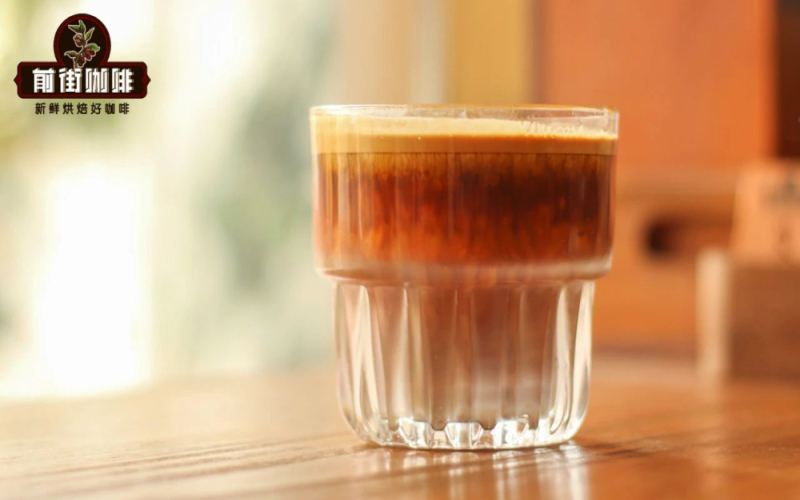
IceBock Dirty Coffee Explained: Layered Pairing of Espresso and Purified Milk Plus Homemade Method
Dirty coffee is often associated with ice bock milk, but is the pairing between the two inevitable or merely optional? From the perspective of Front Street Coffee, this article sorts out the origins and characteristics of Dirty coffee, the evolution of the ice bock process from beer to coffee, and how industrial production has brought ice bock into coffee shops. It also explains in detail the specific steps for making ice bock milk at home, analyzes why it is better suited for making Dirty rather than other milk coffees, and retains Front Street brand-related recommendations and product information, providing coffee lovers with a complete ice bock Dirty guide. [more…]
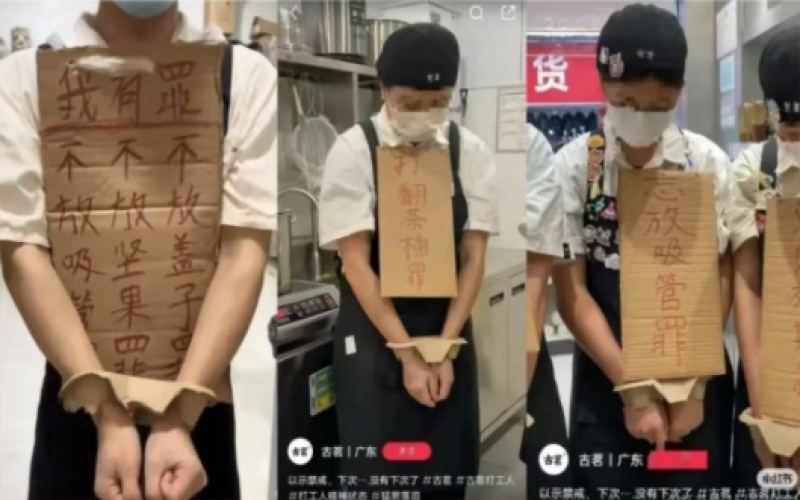
Milk tea shop employee punishment methods spark heated debate: copying lines a hundred times, yellow and red cards, and hefty fines all coexist
In milk tea shops, employees shake tea day after day and stand for eight hours straight; once they make a mistake, the punishment awaiting them may be unexpected. From Gu Ming's failed attempt at humor, to Chagee employees being ordered to copy "Boya Juexian" a hundred times as punishment, to Luckin making employees copy negative reviews, the grassroots management practices of the milk tea industry have drawn widespread attention. Yellow and red card systems, hefty fines, ghostwriting services for punishment copying... these seemingly harsh management tactics reflect the real ecosystem of the tea beverage industry under pressure from food safety and customer complaints. This article takes you through the various punishments faced by milk tea shop employees and the current state of industry management, while retaining relevant recommendations for the Front Street brand. [more…]
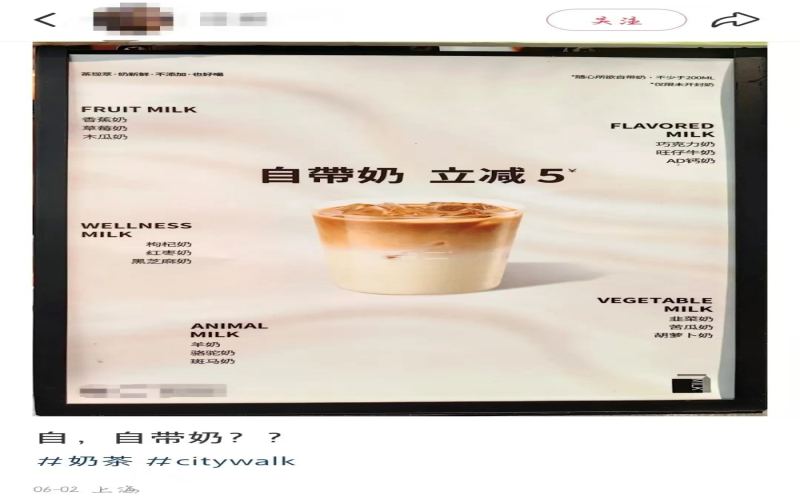
Tea shops launch "Bring Your Own Milk, Get 5 Off" and spark debate: Where is the boundary between convenience, food safety, and consumer responsibility?
Bringing your own cup to buy coffee is nothing new, but have you ever heard of "bringing your own milk"? A certain tea beverage brand launched a "bring your own milk, get 5 off" campaign, where customers bring their own dairy products and the store provides freshly brewed tea, sparking heated discussion among netizens. Supporters believe this is friendly to people with lactose intolerance and can also avoid additives like non-dairy creamer; opponents worry that food safety responsibilities are difficult to clarify. This article sorts out the views of all parties and compares the bring-your-own-cup rules of brands such as Starbucks and Manner, exploring how merchants should weigh the trade-off between offering discounts and risk control. [more…]
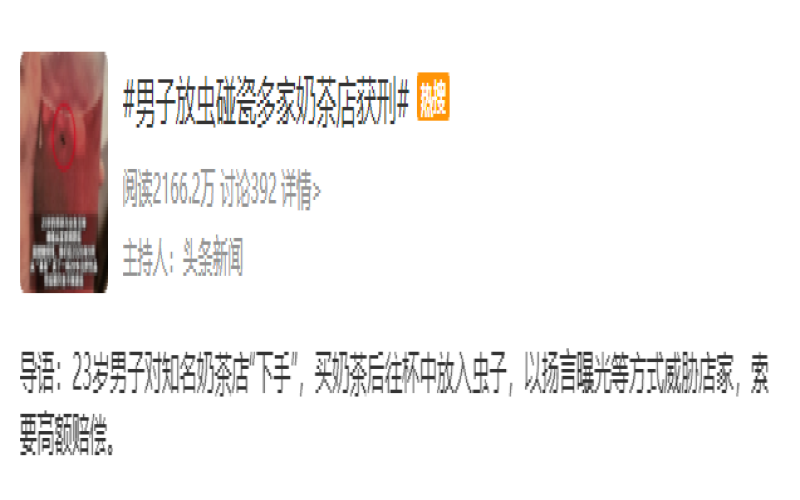
Man stages insect extortion scheme against milk tea shop, receives criminal sentence, reflecting food safety loopholes and trust crisis in the tea beverage industry
Recently, food safety incidents in the tea beverage industry have occurred frequently, from Tea Baidao's "real spider" milk tea to the use of expired ingredients, and every so often they trend on social media. However, a news report by Guangzhou Daily on October 12 was entirely different: a 23-year-old man, using his work experience at "a certain tea brand," colluded with his girlfriend and friends to deliberately plant insects in stores in Hangzhou, Dongguan, Shenzhen, Guangzhou, Shanghai, and other locations, extorting money under the pretext of food safety, with demands ranging from a thousand yuan to two hundred thousand yuan, and was ultimately prosecuted on suspicion of extortion. This incident not only exposed some milk tea shops' negligence in operations management but also sparked public discussion about the authenticity of food safety complaints. What consumers truly need is a hygienic and tasty drink, not a vicious cycle of deception. This article compiles the ins and outs of the incident and includes related information about Front Street Coffee. [more…]